

Cuisine & Restaurant Guide
Italy
Discover 12+ authentic Italy dishes and restaurants. Explore traditional cuisine across 20+ cities with verified reviews and locations.
20 cities featured12 dishes found
Explore the Culinary Heritage of Italy
Embark on a culinary journey through Italy and discover the rich flavors that define this nation's gastronomic identity. From time-honored traditional recipes passed down through generations to innovative modern interpretations, Italy offers a diverse and exciting food landscape.
Our comprehensive guide covers restaurants, street food, and local specialties across major cities throughout Italy. Whether you're planning a food tourism trip or looking for authentic Italy cuisine near you, find the perfect dining experiences here.
Popular Italy Cuisines:
Antipasto
Appetizers
Baked
Baked Goods
Bakery
Barbecue
...and 121 more varieties
Featured Cities:
Lecce, Ancona, Trento, Messina, Pescara, Bolzano, Taranto, Catania
Filters
Explore Italy by City
Dishes from Italy
Showing 12 of 12 dishesLimoncello
Shibuya Milano / Milan (Italy)
View LimoncelloAverage Rating
Montenegro
Shibuya Milano / Milan (Italy)
View MontenegroAverage Rating
Sambuca
Shibuya Milano / Milan (Italy)
View SambucaAverage Rating
Jägermeister
Shibuya Milano / Milan (Italy)
View JägermeisterAverage Rating
Braulio
Shibuya Milano / Milan (Italy)
View BraulioAverage Rating
Averna
Shibuya Milano / Milan (Italy)
View AvernaAverage Rating
Amaro Del Capo
Shibuya Milano / Milan (Italy)
View Amaro Del CapoAverage Rating
Mirto
Shibuya Milano / Milan (Italy)
View MirtoAverage Rating
Unicum
Shibuya Milano / Milan (Italy)
View UnicumAverage Rating
Fernet Branca
Shibuya Milano / Milan (Italy)
View Fernet BrancaAverage Rating
Grappe (bambù, Candolini, Riso, Prugne, Rose)
Shibuya Milano / Milan (Italy)
View Grappe (bambù, Candolini, Riso, Prugne, Rose)Average Rating
Disaronno
Shibuya Milano / Milan (Italy)
View DisaronnoAverage Rating
Culinary Heritage
About Italy
Signature Dishes
Italy's regional cuisines are characterized by a strong emphasis on fresh, local ingredients. Olive oil, garlic, herbs, and tomatoes are staples, but regional variations are significant. Northern Italy features butter, cream, and rice more prominently, while Southern Italy relies heavily on olive oil, pasta, and seafood.
Risotto alla Milanese (Lombardy)
A creamy rice dish flavored with saffron, beef marrow, and Parmesan cheese, creating a rich and golden hue.
Polenta (Veneto, Friuli-Venezia Giulia)
A cornmeal porridge, often served as a base for hearty stews or grilled and topped with cheese or meat.
Bistecca alla Fiorentina (Tuscany)
A thick-cut Florentine steak grilled over charcoal, seasoned simply with salt and pepper, and served rare.
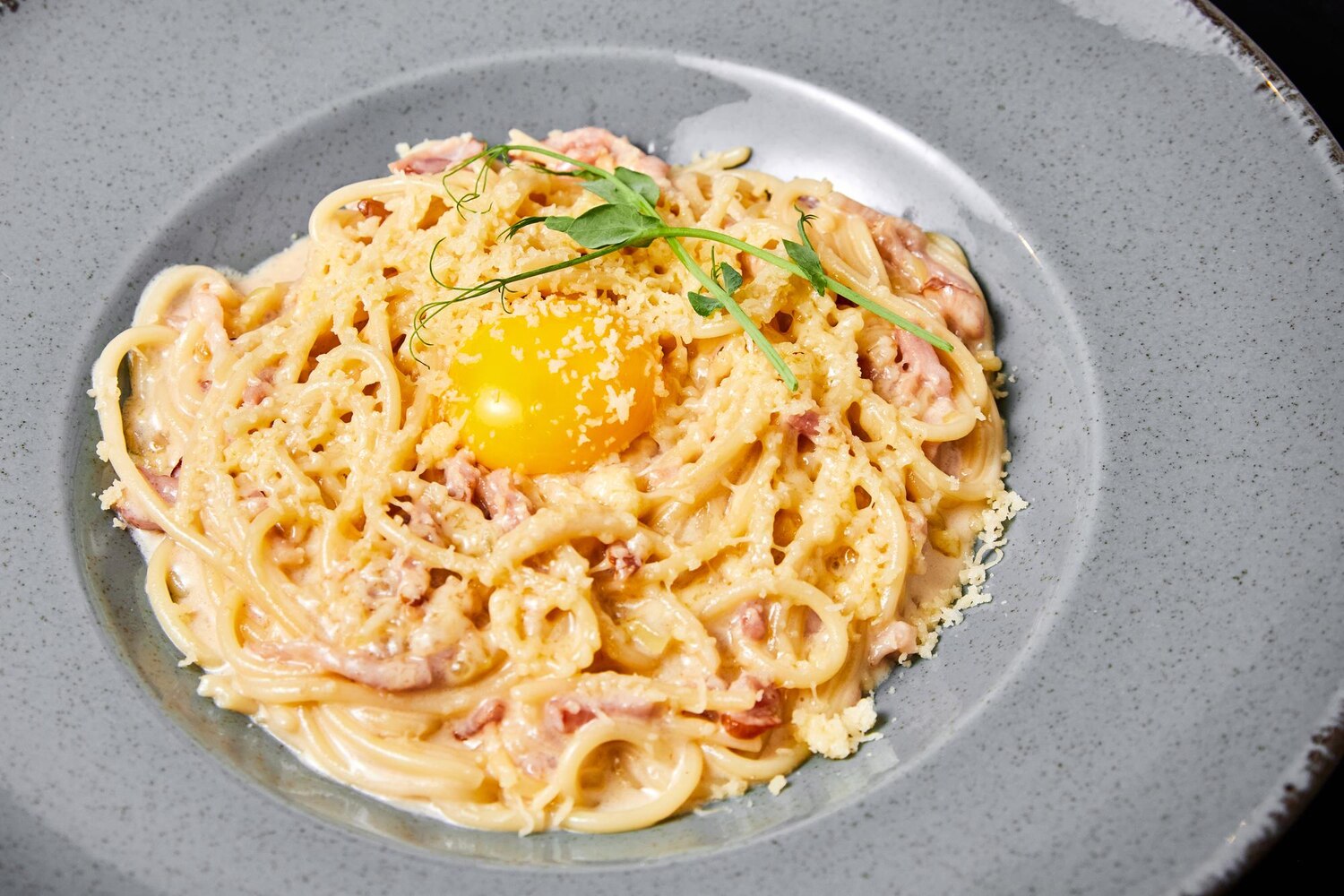
Pasta alla Carbonara (Lazio)
Pasta tossed with eggs, guanciale (cured pork cheek), Pecorino Romano cheese, and black pepper.
Pizza Napoletana (Campania)
A simple pizza made with San Marzano tomatoes, mozzarella cheese, basil, and olive oil, cooked in a wood-fired oven.
Orecchiette con le Cime di Rapa (Puglia)
Ear-shaped pasta served with broccoli rabe, garlic, chili flakes, and anchovies.
Arancini (Sicily)
Deep-fried rice balls stuffed with ragu, mozzarella, and peas.
Pesto Genovese (Liguria)
A sauce made from basil, pine nuts, garlic, Parmesan cheese, Pecorino Sardo cheese, and olive oil.
Local Tips
To truly experience Italian cuisine, consider these tips for navigating the culinary landscape and appreciating the nuances of regional flavors.
Eat Seasonally
Ingredients are freshest and most flavorful when in season. Ask locals about seasonal specialties.
Explore Local Markets
Visiting local markets is a great way to discover regional produce, cheeses, and cured meats.
Learn Basic Italian
Knowing a few basic Italian phrases will enhance your interactions with vendors and restaurant staff.
Regional Wine Pairings
Pair your meals with local wines for an authentic and complementary experience. Ask the sommelier or restaurant staff for recommendations.
Respect the Meal Times
Italians typically eat lunch around 1:00-2:00 PM and dinner around 8:00-10:00 PM. Many restaurants close during the afternoon.