
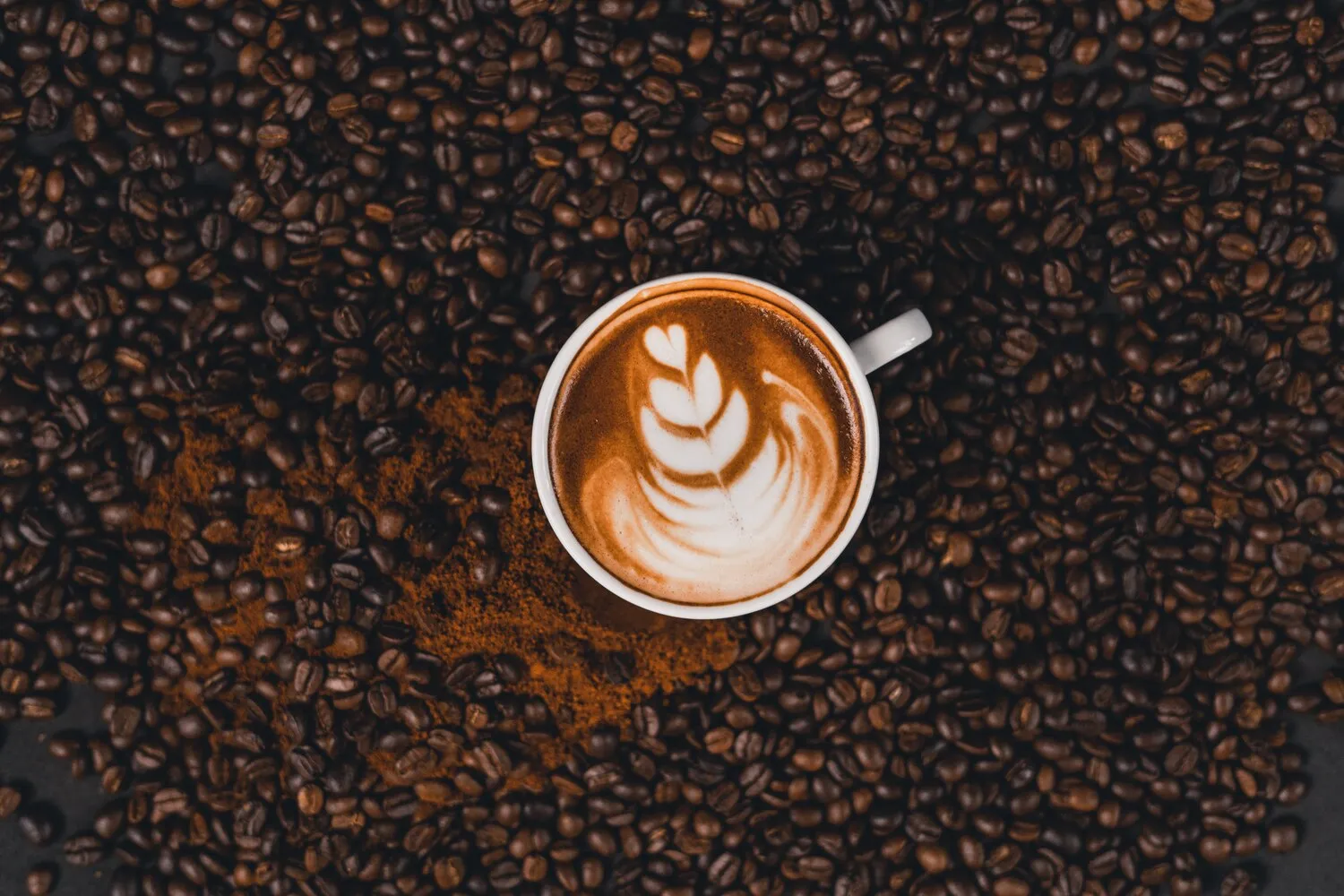

Coffee
Various types of coffee
Valeurs Nutritionnelles
* Le % de la valeur quotidienne (VQ) vous indique la quantité d'un nutriment dans une portion d'aliment qui contribue à un régime quotidien. 2 000 calories par jour sont utilisées pour les conseils nutritionnels généraux.
Fonctionnalité Premium
Fonctionnalité Premium
Coffee's history begins in Ethiopia, where the coffee plant is native. Legend says a goat herder named Kaldi discovered coffee's energizing effects in the 9th century. From Ethiopia, coffee spread to the Arabian Peninsula and then globally, becoming a widely consumed beverage.
Fonctionnalité Premium
Coffee culture varies dramatically across the world, ranging from elaborate Ethiopian coffee ceremonies to quick espresso shots in Italy.
Ethiopian Coffee Ceremony
In Ethiopia, the coffee ceremony is a significant social and cultural event. It involves roasting green coffee beans, grinding them, and brewing the coffee in a traditional clay pot called a jebena. The coffee is served in small cups, often with snacks like popcorn or bread. The ceremony is a sign of respect and friendship.
Italian Espresso Culture
In Italy, coffee is a daily ritual centered around espresso. Bars serve espresso quickly and efficiently, and it's typically consumed standing at the counter. Coffee is often taken without milk after a meal. The preparation and consumption of espresso are highly standardized.
Café Culture in France
French café culture emphasizes leisurely socializing over coffee. People sit at outdoor tables, reading, chatting, and watching the world go by. Coffee is often served in large bowls or cups, and is intended to be savored over a long period.
Fonctionnalité Premium
Coffee flavors are incredibly diverse, ranging from bright and acidic to rich and chocolatey. They depend on factors like bean origin, roast level, and brewing method.
The key flavor components of coffee are influenced by acids (citric, malic, acetic) which contribute to brightness and tartness, sugars (caramelization during roasting) which provide sweetness and body, and various aromatic compounds that contribute to notes like chocolate, nuts, fruit, floral, and spice. Bitterness comes from quinic and chlorogenic acids. The roast level significantly impacts the final flavor profile: light roasts tend to be brighter and more acidic, while dark roasts are bolder, more bitter, and have pronounced smoky or chocolatey notes.
Fonctionnalité Premium
Grind Fresh
Grind your coffee beans right before brewing for maximum flavor. Pre-ground coffee loses its aroma and flavor more quickly.
Water Temperature
Use water that is just off the boil (around 200°F or 93°C) for brewing. Too hot and it can scorch the coffee, resulting in a bitter taste. Too cold, and it won't extract the flavors properly.
Storage
Store coffee beans in an airtight container in a cool, dark place. Avoid storing coffee in the refrigerator, as it can absorb odors.
Experiment with Brewing Methods
Each brewing method (French press, pour-over, espresso machine) extracts different flavors from the coffee beans. Experiment to find your preferred method and roast level.
Fonctionnalité Premium
Explorez des plats et restaurants supplémentaires de Beverage
Explorer BeverageDécouvrez les meilleurs restaurants et expériences culinaires à Blumenau.
Explorer BlumenauEn savoir plus sur la culture gastronomique, la scène des restaurants et le patrimoine culinaire de Brazil.
Explorer Brazil