
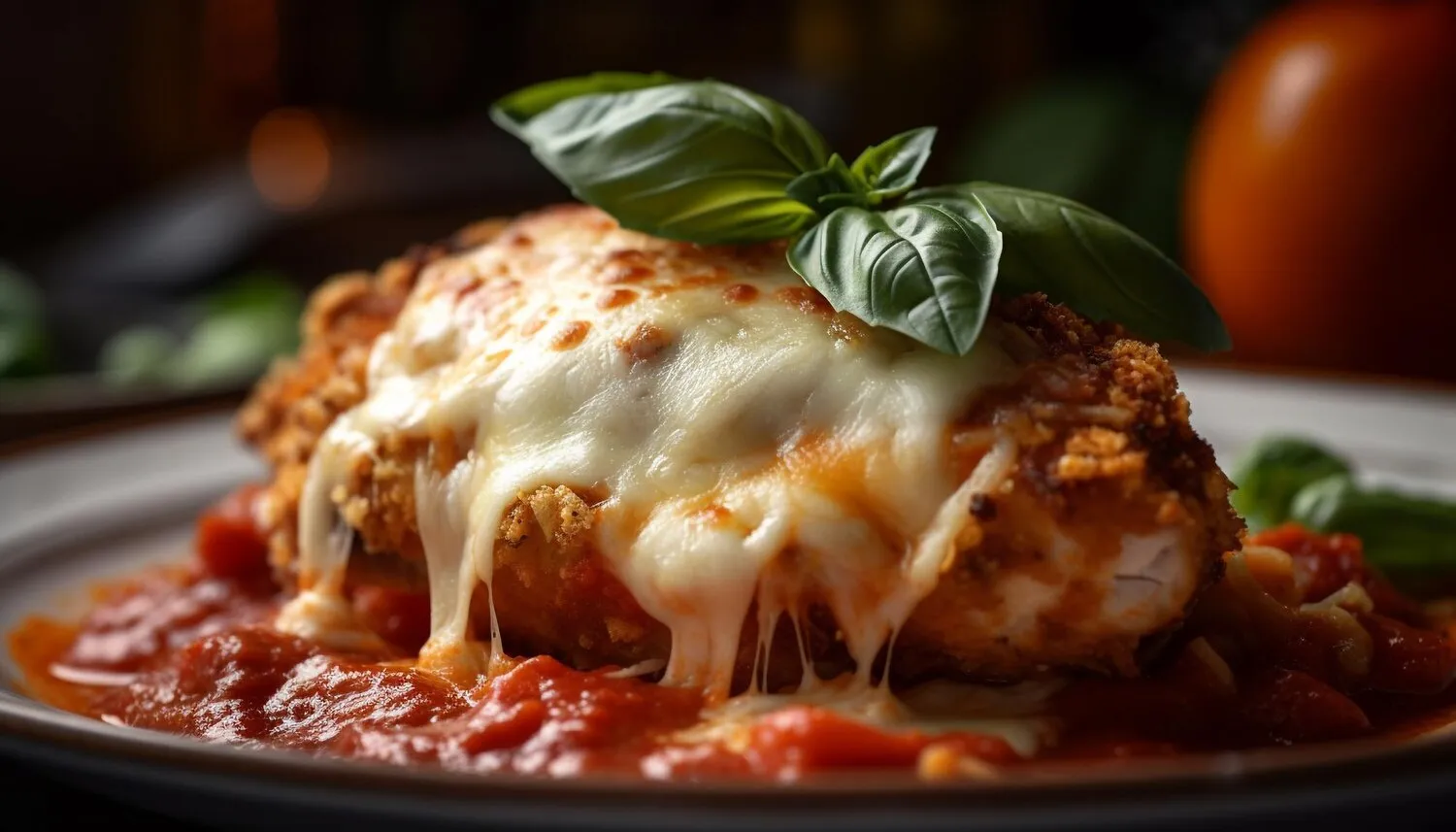

Parmegiana
Traditional parmegiana dish.
Valeurs Nutritionnelles
* Le % de la valeur quotidienne (VQ) vous indique la quantité d'un nutriment dans une portion d'aliment qui contribue à un régime quotidien. 2 000 calories par jour sont utilisées pour les conseils nutritionnels généraux.
Fonctionnalité Premium
Fonctionnalité Premium
The exact origins of Parmigiana are debated, with both Southern Italian regions of Campania and Sicily laying claim to its creation. It's likely a fusion of culinary influences from the region, including Arab, Spanish, and French cuisine, all of which have left their mark on Southern Italian gastronomy. The use of eggplant, a key ingredient, was introduced by the Arabs, while the layering technique may have been influenced by French culinary practices. The dish evolved over centuries, becoming the beloved classic it is today.
Fonctionnalité Premium
Parmigiana is more than just a dish; it's a symbol of Italian home cooking and comfort food. It represents family gatherings, Sunday lunches, and the importance of simple, fresh ingredients. It's a dish that is often passed down through generations, with each family having their own unique variations and secrets.
Family Tradition
Parmigiana is often prepared for family meals, especially on Sundays, highlighting its role in bringing people together and fostering a sense of togetherness. Recipes are cherished and often passed down through generations.
Regional Variations
While the core ingredients remain consistent, regional variations exist. Some versions may include hard-boiled eggs, ham, or other cheeses, reflecting local preferences and ingredients. The debate over the 'authentic' version is a testament to the dish's cultural significance.
Comfort Food Staple
Parmigiana is considered a classic comfort food, providing a sense of nostalgia and satisfaction. Its rich flavors and textures make it a popular choice for celebratory meals and everyday enjoyment.
Fonctionnalité Premium
Parmigiana is characterized by a rich, savory, and slightly sweet flavor profile. The combination of fried eggplant, tangy tomato sauce, creamy mozzarella, and salty Parmesan cheese creates a harmonious and satisfying taste experience.
The key flavors in Parmigiana are derived from its core ingredients. The eggplant, when properly fried, offers a slightly bitter and earthy base. The tomato sauce contributes acidity and sweetness, often enhanced with herbs like basil and oregano. Mozzarella provides a milky and creamy texture, while Parmesan cheese adds a salty and umami-rich dimension. The dish is typically seasoned with garlic, enhancing the overall savory notes.
Fonctionnalité Premium
Salting the Eggplant
Salting the eggplant before frying is crucial to draw out excess moisture and reduce bitterness. This also helps the eggplant absorb less oil during frying, resulting in a lighter and less greasy dish.
Choosing the Right Tomato Sauce
Use a high-quality tomato sauce or passata for the best flavor. Homemade sauce is ideal, but if using store-bought, opt for a brand with a simple ingredient list and no added sugar. Season the sauce well with garlic, basil, and oregano.
Layering Technique
Layer the ingredients evenly to ensure each bite contains a balance of flavors and textures. Start and end with a layer of tomato sauce and cheese to create a visually appealing and flavorful crust. Let the Parmigiana rest for at least 15 minutes after baking to allow the flavors to meld and the dish to set.
Fonctionnalité Premium
Explorez des plats et restaurants supplémentaires de Parmegiana
Explorer ParmegianaDécouvrez les meilleurs restaurants et expériences culinaires à Foz do Iguaçu.
Explorer Foz do IguaçuEn savoir plus sur la culture gastronomique, la scène des restaurants et le patrimoine culinaire de Brazil.
Explorer Brazil