
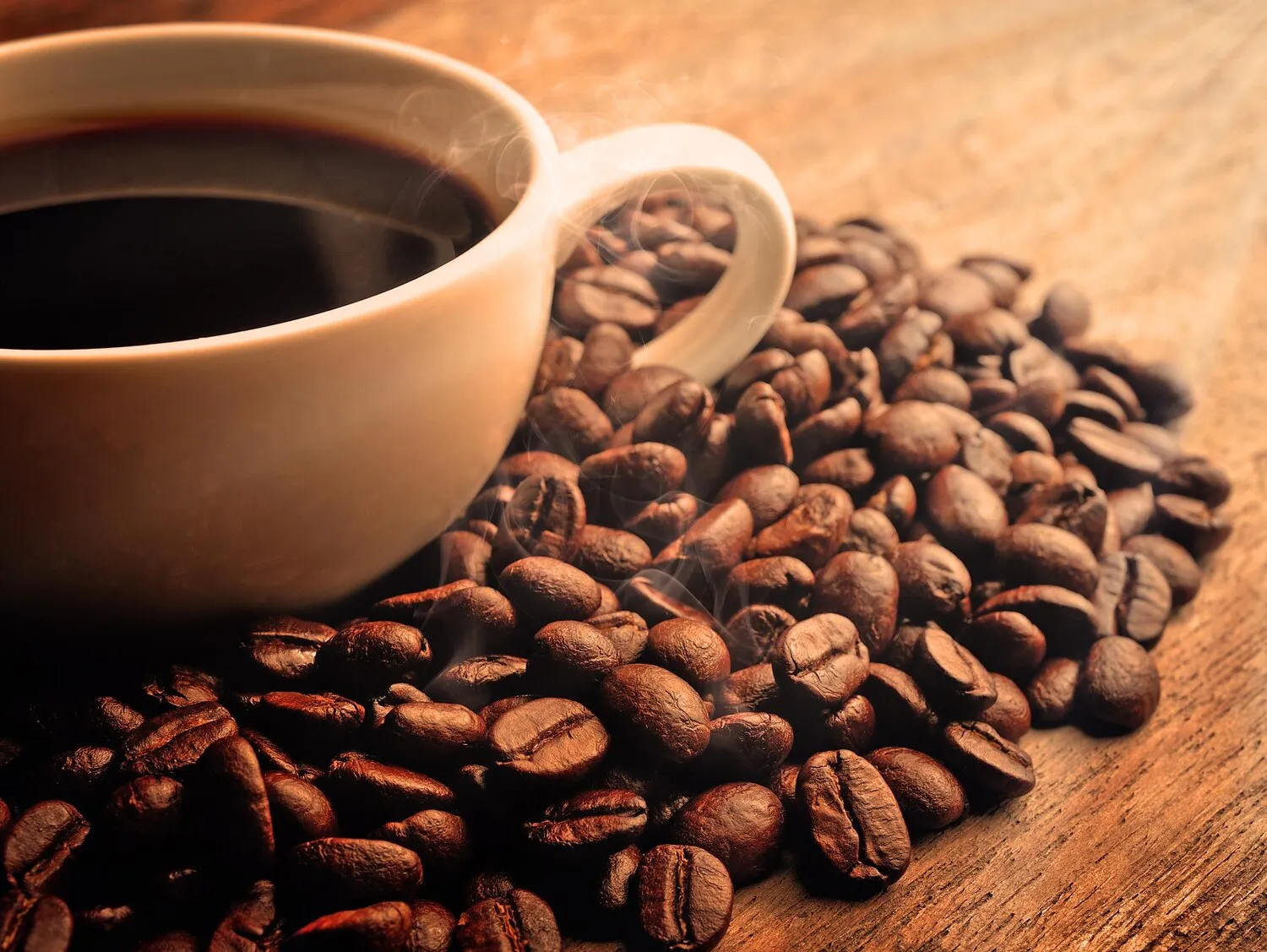

Café
Coffee
Valeurs Nutritionnelles
* Le % de la valeur quotidienne (VQ) vous indique la quantité d'un nutriment dans une portion d'aliment qui contribue à un régime quotidien. 2 000 calories par jour sont utilisées pour les conseils nutritionnels généraux.
Fonctionnalité Premium
Restaurante e Lanchonete Fratelli
Fonctionnalité Premium
Coffee's origins are traced back to Ethiopia, specifically the region of Kaffa, where legend claims a goat herder named Kaldi discovered the energizing effects of the beans in the 9th century. From Ethiopia, coffee spread to Yemen and then, through trade, across the Islamic world, eventually reaching Europe and the Americas. Each region adapted coffee preparation and consumption to their own cultural tastes and traditions.
Fonctionnalité Premium
Coffee plays a significant cultural role in many societies around the world, often acting as a social lubricant and centerpiece of communal gatherings. From the Ethiopian coffee ceremony to the Italian espresso bar, coffee consumption is often deeply intertwined with social interaction and daily routines.
Ethiopian Coffee Ceremony
The Ethiopian coffee ceremony (Jebena Buna) is a ritualized process involving roasting green beans, grinding them, and brewing the coffee in a traditional clay pot (Jebena). It's a sign of respect and hospitality, taking several hours and involving three rounds of brewing, each with a different flavor profile.
Italian Espresso Culture
In Italy, espresso is a daily ritual, consumed quickly at the bar or enjoyed at home with family. Espresso bars are social hubs where people gather to chat, read the newspaper, and enjoy a strong cup of coffee. The preparation of espresso is considered an art, with baristas striving for the perfect extraction and crema.
Turkish Coffee Traditions
Turkish coffee is prepared using finely ground coffee beans simmered in a cezve (a small, long-handled pot) until foamy. It is served unfiltered, with the grounds settling at the bottom of the cup. Fortune telling by reading the coffee grounds is a common tradition.
Fonctionnalité Premium
Coffee offers a wide range of flavors dependent on the bean's origin, roast level, and preparation method. Common flavor profiles include chocolate, nutty, fruity, floral, and earthy notes. The intensity of these flavors is determined by the roasting process, while the brewing method affects the body and acidity.
The specific flavors in coffee are influenced by various factors. Ethiopian coffees often have floral and fruity notes due to the high altitude and varietals grown. Sumatran coffees are known for their earthy and herbal flavors. Roasting brings out sweetness and body. Light roasts tend to be more acidic and retain the bean's original flavors, while dark roasts develop bolder, smokier notes and reduce acidity. Brewing methods like espresso concentrate flavors, while drip coffee allows for a more nuanced and cleaner taste.
Fonctionnalité Premium
Bean Freshness
Use freshly roasted coffee beans for the best flavor. Grind your beans just before brewing to prevent flavor loss.
Water Quality
Use filtered water for brewing coffee. Tap water can contain chlorine and other impurities that negatively affect the taste.
Grind Size
Adjust the grind size to match your brewing method. A coarse grind is suitable for French press, a medium grind for drip coffee, and a fine grind for espresso.
Water Temperature
Control your water temperature for the best flavors. Aim for around 200°F (93°C), hotter water will burn the coffee. Lower temperatures can cause sourness.
Fonctionnalité Premium
Explorez des plats et restaurants supplémentaires de Beverage
Explorer BeverageDécouvrez les meilleurs restaurants et expériences culinaires à Jaraguá do Sul.
Explorer Jaraguá do SulEn savoir plus sur la culture gastronomique, la scène des restaurants et le patrimoine culinaire de Brazil.
Explorer Brazil