
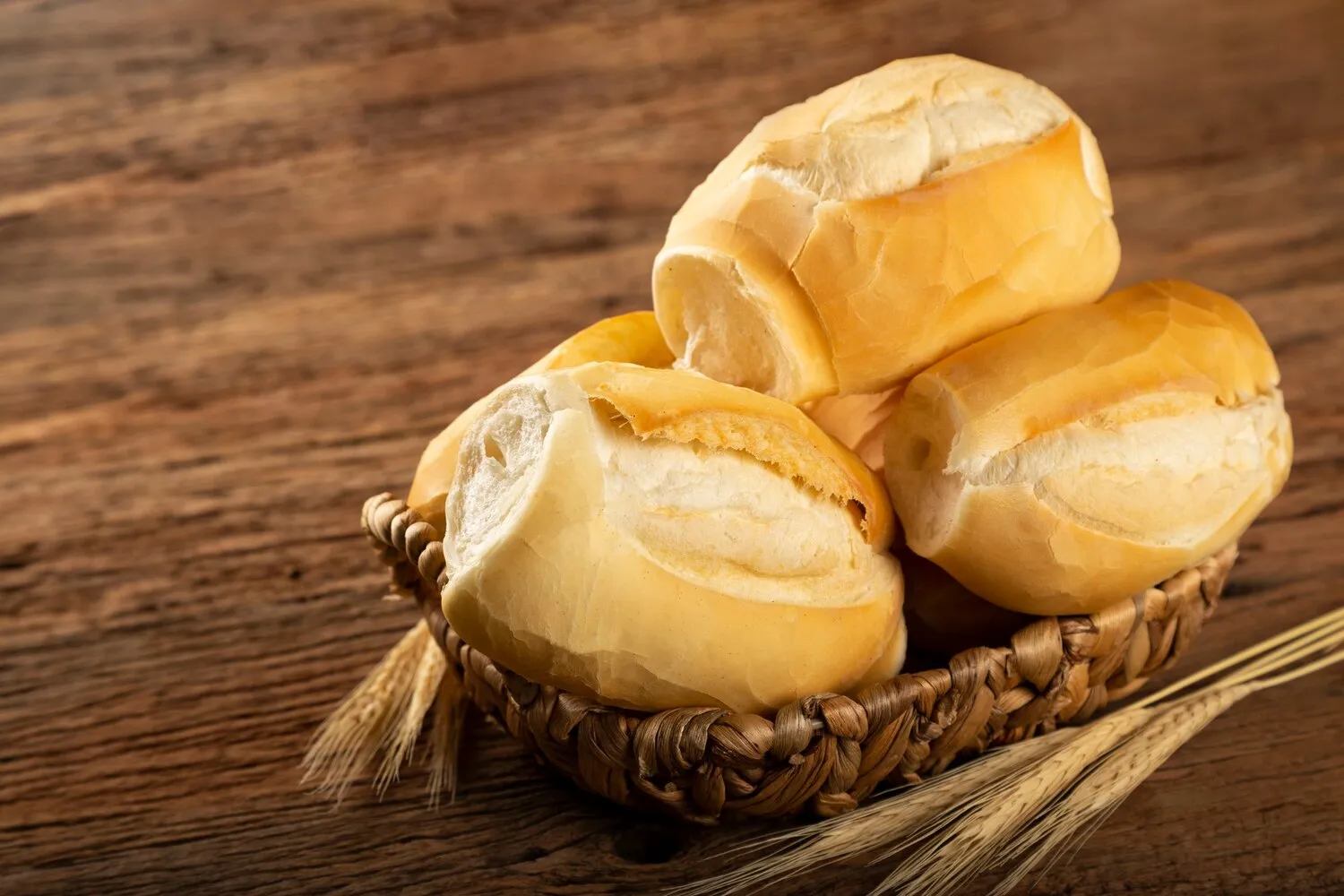

Pão Francês
Classic French bread roll. A staple at bakeries.
Valeurs Nutritionnelles
* Le % de la valeur quotidienne (VQ) vous indique la quantité d'un nutriment dans une portion d'aliment qui contribue à un régime quotidien. 2 000 calories par jour sont utilisées pour les conseils nutritionnels généraux.
Fonctionnalité Premium
Padaria Bisco pão
Fonctionnalité Premium
While called 'French bread' in Brazil, Pão Francês is a distinctly Brazilian adaptation of European, likely Portuguese and French, bread-making techniques. The exact origins are debated, but it's believed to have emerged in the early 20th century as Brazilians sought to replicate the crispy crust and soft interior of European breads they had seen abroad. Influenced by advancements in milling and baking technology arriving in Brazil, it became a staple.
Fonctionnalité Premium
Pão Francês is deeply ingrained in Brazilian culture, serving as a daily staple found in nearly every bakery across the country. It represents affordability, accessibility, and a shared culinary experience.
Breakfast Staple
Pão Francês is a common breakfast item, often consumed with butter, cheese, or ham. It's readily available and affordable, making it a popular choice for Brazilians of all socioeconomic backgrounds.
Lunchtime Companion
It is frequently used to make simple sandwiches for lunch. Its versatility makes it suitable for various fillings, from deli meats to cheeses to vegetables.
Ubiquitous Presence
The scent of baking Pão Francês is a characteristic aroma in Brazilian neighborhoods, signaling the start of the day. Bakeries, known as *padarias*, are central to community life.
Cultural Symbol
The simplicity of Pão Francês embodies the resourceful and practical spirit of Brazilian cuisine, transforming basic ingredients into a satisfying and essential food.
Fonctionnalité Premium
Pão Francês offers a simple yet satisfying flavor profile characterized by subtle sweetness, a touch of saltiness, and a noticeable yeast fermentation flavor.
The primary flavors are derived from wheat flour, water, yeast, and salt. The long fermentation process contributes to a more complex flavor profile, resulting in a slightly tangy and nutty taste. The crispy crust provides a textural contrast and adds a slightly caramelized flavor note. There's usually no added sugar, but the fermentation process breaks down starches into simpler sugars, lending a subtle sweetness.
Fonctionnalité Premium
High Hydration
A higher water content in the dough is crucial for achieving a light and airy interior. Experiment with hydration levels to find what works best for your flour.
Proper Proofing
Adequate proofing allows the yeast to develop flavor and create gas, leading to a well-risen and textured bread. Avoid over-proofing, which can cause the bread to collapse.
Steam is Key
Introducing steam into the oven during the initial baking stage helps create a crispy crust. This can be achieved by placing a tray of hot water at the bottom of the oven or spraying water into the oven several times during the first few minutes of baking.
Scoring
Scoring the loaves before baking allows them to expand evenly and prevents them from bursting. Use a sharp knife or lame to make a shallow cut along the length of the loaf.
Flour Quality
Using a good quality bread flour with a high protein content is important for developing gluten strength and structure.
Fonctionnalité Premium
Explorez des plats et restaurants supplémentaires de Bakery
Explorer BakeryDécouvrez les meilleurs restaurants et expériences culinaires à Juazeiro do Norte.
Explorer Juazeiro do NorteEn savoir plus sur la culture gastronomique, la scène des restaurants et le patrimoine culinaire de Brazil.
Explorer Brazil