
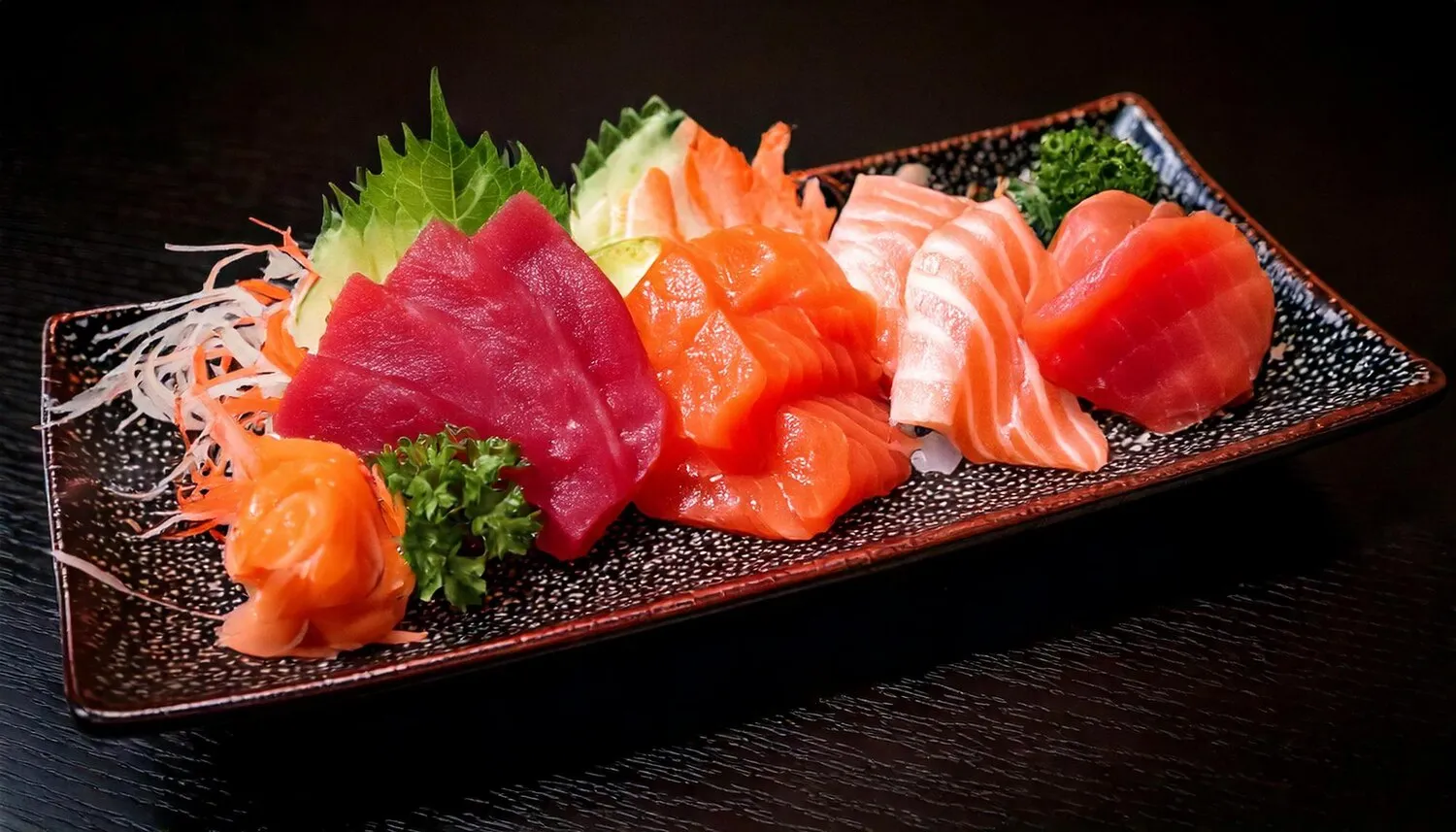

Sashimi
Thinly sliced raw fish.
Valeurs Nutritionnelles
* Le % de la valeur quotidienne (VQ) vous indique la quantité d'un nutriment dans une portion d'aliment qui contribue à un régime quotidien. 2 000 calories par jour sont utilisées pour les conseils nutritionnels généraux.
Fonctionnalité Premium
Fonctionnalité Premium
The origins of sashimi can be traced back to ancient Japan, long before refrigeration. Techniques for preserving fish, such as curing and pickling, were essential. As methods evolved, the appreciation for fresh, raw fish developed, leading to the art of sashimi. Initially, it was a delicacy enjoyed by the elite.
Fonctionnalité Premium
Sashimi is more than just a dish; it's a reflection of Japanese culinary artistry and respect for ingredients.
Presentation
The visual presentation of sashimi is crucial. The way the fish is sliced, arranged, and garnished reflects the chef's skill and attention to detail. Aesthetic appeal is considered as important as taste.
Seasonality
Japanese cuisine emphasizes seasonality, and sashimi is no exception. Certain fish are considered best during specific seasons, when their flavor and texture are at their peak. For example, winter is often considered the best time for tuna.
Knife Skills
The slicing technique used for sashimi is highly specialized, requiring years of practice to master. Different knives are used for different types of fish, and the angle and pressure of the cut can significantly impact the texture and flavor.
Respect for the Ingredient
Sashimi embodies a deep respect for the ingredients. The freshest, highest-quality fish is essential, and the preparation is kept simple to allow the natural flavors to shine. Minimizing waste is also a key consideration.
Fonctionnalité Premium
Sashimi offers a pure and delicate flavor profile, emphasizing the inherent taste of the fish.
The primary flavor is the clean, fresh taste of the raw fish itself. Different types of fish offer distinct nuances, from the subtle sweetness of tuna to the rich fattiness of salmon. Soy sauce provides a salty umami element, while wasabi adds a sharp, cleansing heat. Other common accompaniments, such as ginger and daikon radish, offer palate-cleansing qualities.
Fonctionnalité Premium
Start with Lighter Fish
When enjoying a variety of sashimi, begin with the milder-flavored fish, such as white fish, before moving on to richer, fattier types like tuna or salmon. This allows you to fully appreciate the subtle differences in flavor.
Wasabi Usage
Use wasabi sparingly. A small dab on the fish is sufficient; avoid mixing it directly into the soy sauce, as this can mask the flavor of the fish.
Soy Sauce Dipping
Dip only the fish in soy sauce, not the rice (if served with sushi). Too much soy sauce can overpower the delicate flavor of the fish.
Freshness is Key
Ensure the sashimi is sourced from a reputable establishment that prioritizes freshness and proper handling. Ask about the source and preparation methods if you have any concerns.
Chew Thoroughly
Take your time to savor the flavor and texture of each piece of sashimi. Chew thoroughly to fully appreciate the nuances.
Fonctionnalité Premium
Explorez des plats et restaurants supplémentaires de Raw Fish
Explorer Raw FishDécouvrez les meilleurs restaurants et expériences culinaires à Macaé.
Explorer MacaéEn savoir plus sur la culture gastronomique, la scène des restaurants et le patrimoine culinaire de Brazil.
Explorer Brazil