
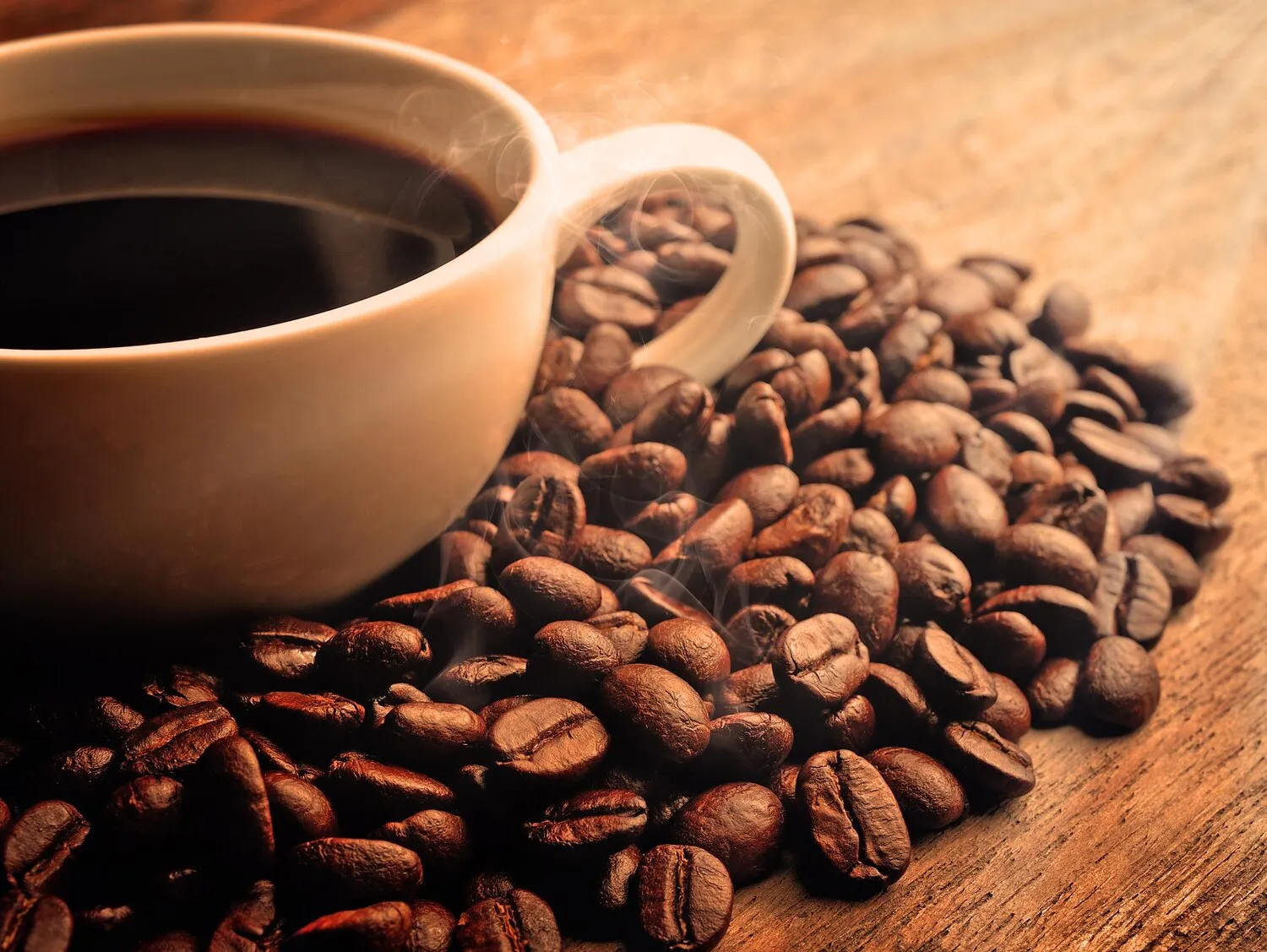

Café
Coffee served at the establishment.
Valeurs Nutritionnelles
* Le % de la valeur quotidienne (VQ) vous indique la quantité d'un nutriment dans une portion d'aliment qui contribue à un régime quotidien. 2 000 calories par jour sont utilisées pour les conseils nutritionnels généraux.
Fonctionnalité Premium
Restaurante e lanchonete Parada 57
Fonctionnalité Premium
Coffee's history began in Ethiopia, where the coffee plant originated. From there, it spread to Yemen and then throughout the Arab world. Coffee houses became centers of social and intellectual life. European traders introduced coffee to Europe in the 17th century, and it quickly became a popular beverage. The development of different brewing methods and coffee varieties has since evolved globally.
Fonctionnalité Premium
Coffee holds immense cultural significance worldwide, serving as a social lubricant, a ritualistic beverage, and a source of comfort and energy.
Social Gatherings
Coffee shops and cafes are common meeting places for friends, colleagues, and even business negotiations. Sharing a cup of coffee is often a way to connect and build relationships.
Morning Ritual
For many, coffee is an essential part of their morning routine, providing a caffeine boost to start the day and setting a positive tone for the hours ahead.
Coffee Ceremonies
In some cultures, such as Ethiopia and Eritrea, coffee ceremonies are elaborate and significant social events, involving roasting, grinding, and brewing coffee in a traditional manner, often accompanied by incense and conversation.
Fonctionnalité Premium
The flavors of coffee are incredibly diverse, ranging from bright and acidic to rich and chocolatey, depending on the bean origin, roasting level, and brewing method.
Coffee flavor profiles are complex and influenced by factors such as bean origin (e.g., Ethiopian beans are often floral and fruity, while Sumatran beans are earthy), roasting level (lighter roasts retain more acidity, darker roasts develop more bitterness and chocolate notes), and brewing method (e.g., espresso is concentrated and intense, while drip coffee is lighter and more nuanced). Common flavor descriptors include acidity, body, aroma, and sweetness, with notes of fruit, chocolate, nuts, caramel, spices, and more.
Fonctionnalité Premium
Bean Selection
Experiment with different coffee bean origins and roast levels to find the flavors that best suit your palate. Consider purchasing whole beans and grinding them fresh for optimal flavor.
Grinding
Use a burr grinder rather than a blade grinder for a more consistent grind, which is crucial for even extraction. Adjust the grind size according to your brewing method.
Brewing Method
Explore different brewing methods, such as pour-over, French press, espresso, or cold brew, to experience different coffee flavors and textures. Each method extracts different compounds from the coffee beans.
Water Quality
Use filtered water for brewing to avoid affecting the coffee flavor. The ideal water temperature is between 195-205°F (90-96°C).
Storage
Store coffee beans in an airtight container away from light, heat, and moisture to maintain their freshness. Avoid storing coffee in the refrigerator or freezer.
Fonctionnalité Premium
Explorez des plats et restaurants supplémentaires de Coffee
Explorer CoffeeDécouvrez les meilleurs restaurants et expériences culinaires à Rancho Queimado.
Explorer Rancho QueimadoEn savoir plus sur la culture gastronomique, la scène des restaurants et le patrimoine culinaire de Brazil.
Explorer Brazil