
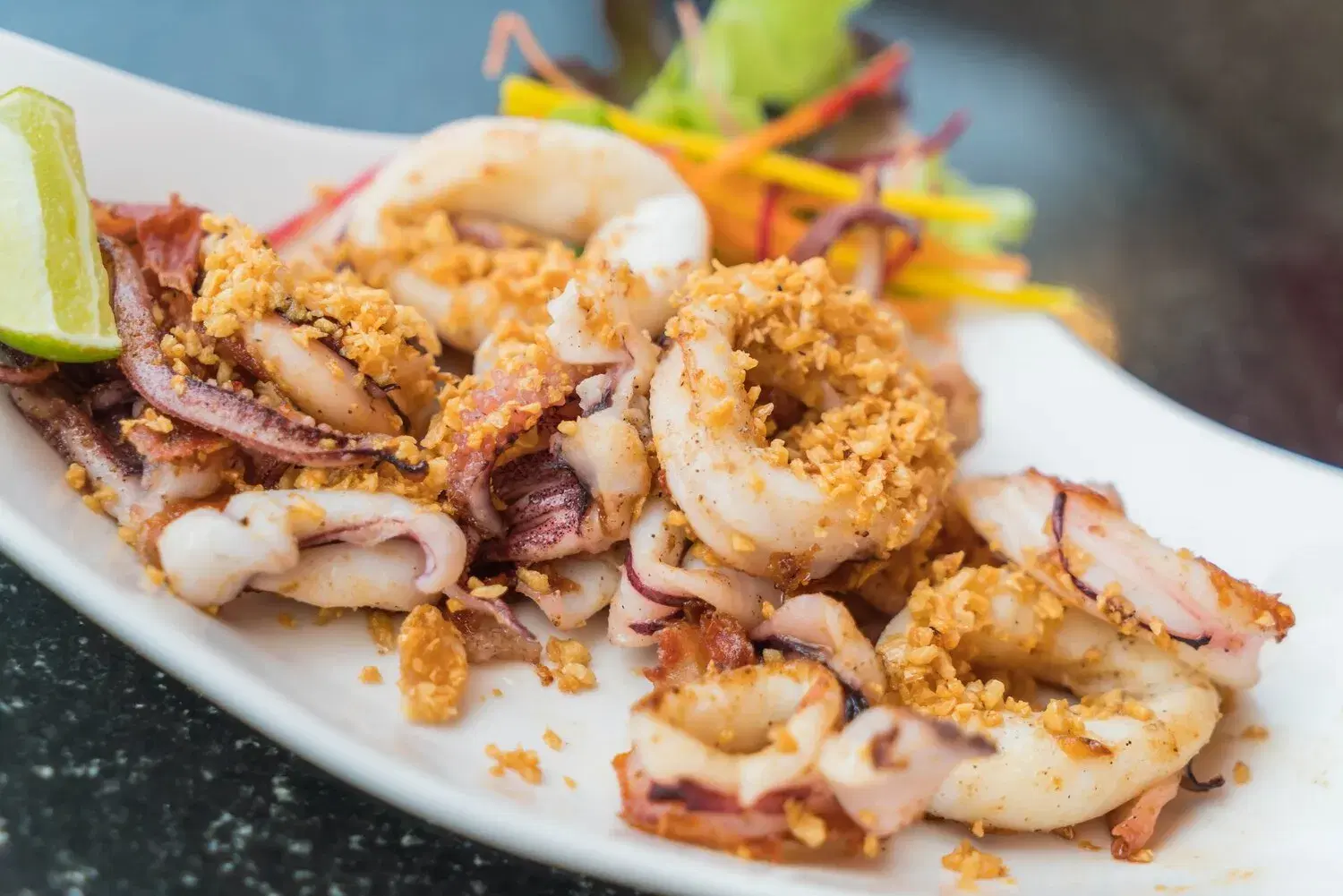

Seafood
chat qui rit serves seafood. While specifics vary based on availability and day, it's a staple.
Valeurs Nutritionnelles
* Le % de la valeur quotidienne (VQ) vous indique la quantité d'un nutriment dans une portion d'aliment qui contribue à un régime quotidien. 2 000 calories par jour sont utilisées pour les conseils nutritionnels généraux.
Fonctionnalité Premium
Fonctionnalité Premium
Seafood platters in France have a long history, evolving from simple coastal fare to elaborate displays of wealth and culinary artistry. Coastal regions have always relied on the sea for sustenance, and the abundance of seafood naturally led to the creation of shared platters. The tradition has been refined over centuries, reflecting French gastronomy's emphasis on quality ingredients and meticulous presentation. Chat Qui Rit likely adapts this tradition with a modern sensibility.
Fonctionnalité Premium
Seafood platters in France are often associated with celebratory occasions, gatherings with friends and family, and enjoying the coastal lifestyle. Sharing a seafood platter is a communal experience, symbolizing abundance and appreciation for the sea's bounty.
Celebratory Occasions
Seafood platters are frequently enjoyed during holidays like Christmas and New Year's Eve, as well as for special celebrations such as birthdays and anniversaries. They represent a festive and luxurious dining experience.
Coastal Culture
In coastal regions of France, seafood platters are a staple of the local cuisine and reflect the close connection between the people and the sea. Restaurants often showcase their daily catches, highlighting the freshness and quality of the seafood.
Communal Dining
The act of sharing a seafood platter encourages conversation and connection among diners. It's a social experience that promotes a sense of community and shared enjoyment.
Fonctionnalité Premium
The seafood platter at Chat Qui Rit offers a diverse range of flavors, from the briny freshness of oysters and clams to the delicate sweetness of shrimp and crab. The overall experience is one of oceanic purity, enhanced by subtle seasonings and accompaniments.
Typical ingredients include fresh oysters (various types depending on availability), clams, mussels, shrimp (crevettes or prawns), langoustines, crab (tourteau or spider crab), whelks (bulots), sea snails (bigorneaux), and sometimes lobster or scallops. The flavors are predominantly saline and oceanic, with variations in texture and sweetness among the different species. Lemon wedges, mignonette sauce (shallots, vinegar, and pepper), aioli, and sometimes cocktail sauce are often served as accompaniments to complement the seafood's natural flavors.
Fonctionnalité Premium
Order Based on Freshness
Inquire about the freshest catches of the day before ordering. The restaurant staff can guide you towards the most flavorful and seasonal options.
Start with Mild Flavors
Begin with the milder-flavored seafood, such as oysters and clams, and gradually move towards the stronger-tasting options like whelks and sea snails. This allows your palate to adjust and appreciate the nuances of each ingredient.
Use Accompaniments Sparingly
While sauces and condiments enhance the flavors, avoid overpowering the delicate taste of the seafood. Use them sparingly to complement, not mask, the natural flavors.
Pay Attention to Texture
Notice the different textures of the seafood, from the silky smoothness of oysters to the firm flesh of crab. This adds another dimension to the dining experience.
Fonctionnalité Premium
Explorez des plats et restaurants supplémentaires de Seafood
Explorer SeafoodDécouvrez les meilleurs restaurants et expériences culinaires à Venezia.
Explorer VeneziaEn savoir plus sur la culture gastronomique, la scène des restaurants et le patrimoine culinaire de Italy.
Explorer Italy