
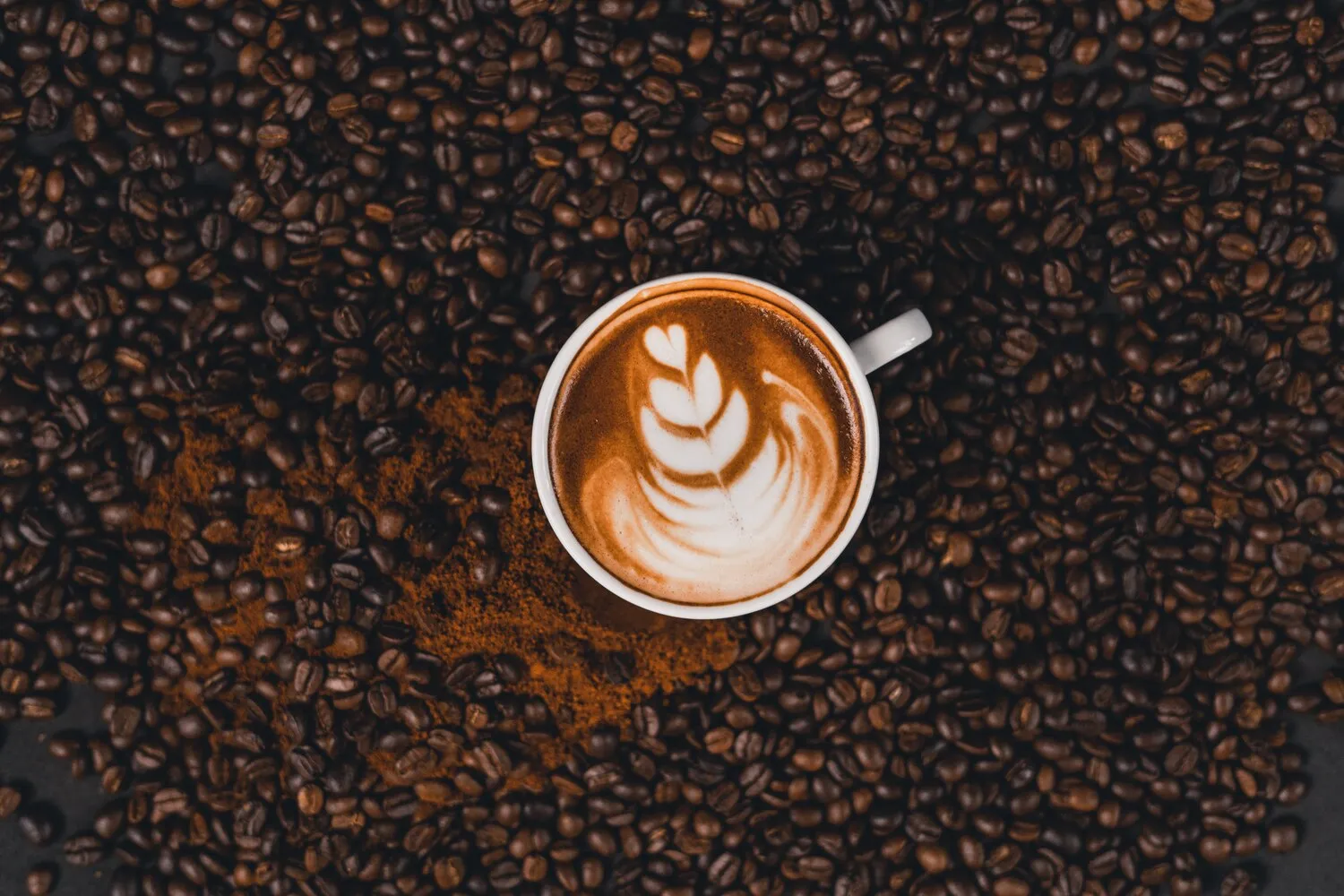

Coffee
Pascal is a Kaffebar and therefore known for high quality coffee
Valeurs Nutritionnelles
* Le % de la valeur quotidienne (VQ) vous indique la quantité d'un nutriment dans une portion d'aliment qui contribue à un régime quotidien. 2 000 calories par jour sont utilisées pour les conseils nutritionnels généraux.
Fonctionnalité Premium
Fonctionnalité Premium
Coffee's journey began in the highlands of Ethiopia, with legends tracing its discovery to a goat herder named Kaldi. From there, it spread through the Arab world, becoming a social and cultural staple before eventually reaching Europe and the Americas, transforming global trade and social habits.
Fonctionnalité Premium
Coffee is more than just a beverage; it's a social lubricant, a ritual, and a cultural icon in many societies around the world. It fuels conversations, fosters connections, and marks the beginning of the day for countless people.
Ethiopian Coffee Ceremony
In Ethiopia, coffee is prepared and consumed in a traditional ceremony known as the jebena. This involves roasting green beans, grinding them, and brewing the coffee in a clay pot. The ceremony is a sign of respect and hospitality and often includes sharing food and conversation.
Coffee Houses in the Arab World
Coffee houses, or qahveh khaneh, emerged in the Arab world in the 16th century as social and intellectual hubs. They provided spaces for people to gather, share news, play games, and listen to music.
European Café Culture
Coffee houses played a significant role in the Enlightenment in Europe, becoming centers of intellectual discourse and political debate. They evolved into the modern-day cafes that are central to many European cities.
Fonctionnalité Premium
The flavors of coffee are incredibly diverse, influenced by bean variety, origin, processing method, and roasting level. Expect a spectrum from bright acidity to rich chocolate notes.
Depending on the origin and preparation, coffee can exhibit flavors ranging from floral and fruity notes (berry, citrus, jasmine) often found in East African coffees, to earthy and nutty tones (chocolate, caramel, spice) prevalent in South American and Indonesian varieties. The roasting process further influences flavor, with lighter roasts preserving acidity and brighter notes, while darker roasts develop bolder, more bitter and smoky flavors. Pascal, being a Kaffebar, focuses on high-quality beans and precise brewing techniques to highlight the unique flavor profiles of each coffee.
Fonctionnalité Premium
Grind Fresh
Grinding your coffee beans right before brewing preserves the most flavor and aroma. Use a burr grinder for a consistent grind size.
Water Temperature
Optimal water temperature for brewing is between 195-205°F (90-96°C). Too hot, and you'll extract bitter compounds; too cold, and the coffee will be weak and under-extracted.
Experiment with Brewing Methods
Explore different brewing methods like French press, pour-over, Aeropress, or espresso to discover your preferred flavor profile. Each method extracts coffee differently, resulting in varying strengths and flavors.
Storage
Store coffee beans in an airtight container away from light, heat, and moisture. This will help maintain their freshness and flavor.
Fonctionnalité Premium
Explorez des plats et restaurants supplémentaires de Drink
Explorer DrinkDécouvrez les meilleurs restaurants et expériences culinaires à Stockholm.
Explorer StockholmEn savoir plus sur la culture gastronomique, la scène des restaurants et le patrimoine culinaire de Sweden.
Explorer Sweden