

Pizza
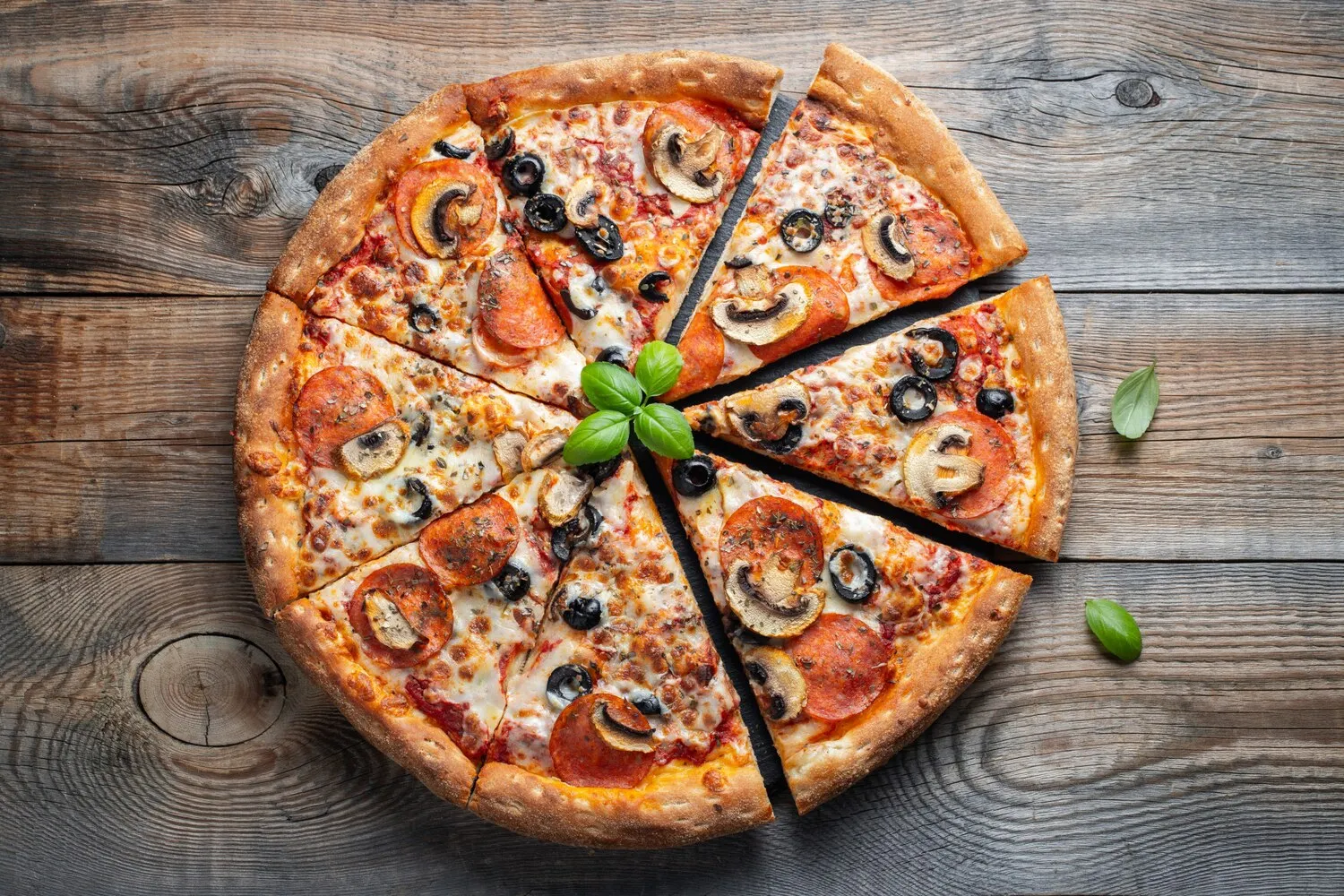
Classic italian pizza of various types.
Valeurs Nutritionnelles
* Le % de la valeur quotidienne (VQ) vous indique la quantité d'un nutriment dans une portion d'aliment qui contribue à un régime quotidien. 2 000 calories par jour sont utilisées pour les conseils nutritionnels généraux.
Fonctionnalité Premium
Fonctionnalité Premium
Pizza's ancestry can be traced back to ancient civilizations. Flatbreads with toppings were consumed in ancient Greece, Rome, and Egypt. However, the modern pizza as we know it originated in Naples, Italy, in the 18th or early 19th century. It was initially a food for the poor, sold on the streets of Naples. The addition of tomatoes, brought from the Americas, was a crucial development.
Fonctionnalité Premium
Pizza has become a global phenomenon, transcending its humble origins in Naples to become one of the world's most popular and culturally significant foods. It represents comfort, sharing, and celebration. It is often associated with family gatherings, parties, and casual dining.
Regional Variations
Different regions of Italy have their own unique pizza styles. Neapolitan pizza is known for its thin, soft crust and simple toppings. Roman pizza is typically thinner and crispier. Sicilian pizza is thick and rectangular, often with a spongier dough.
Pizza as a Symbol
Pizza has become a symbol of Italian-American culture and is often featured in movies, television shows, and other forms of media. It is also a common choice for takeout and delivery, reflecting its convenience and accessibility.
Pizza Making Traditions
Traditional pizza making is considered an art form, with pizzaiolos (pizza makers) often trained for years to master the techniques of kneading, stretching, and baking the dough. The use of high-quality ingredients and traditional methods is highly valued.
Fonctionnalité Premium
Pizza offers a diverse palette of flavors depending on the ingredients used. Key flavors include savory, umami, tangy, and sometimes sweet or spicy notes.
The base flavor comes from the dough, which can range from slightly sweet to savory, depending on the recipe and fermentation. The tomato sauce provides acidity and umami. Cheese, often mozzarella, adds richness and saltiness. Other toppings, such as pepperoni, mushrooms, olives, and peppers, contribute their individual flavor profiles. Herbs like basil and oregano add aromatic complexity. The cooking process also influences the flavor, with wood-fired ovens imparting a smoky taste.
Fonctionnalité Premium
Dough Preparation
Use high-quality flour and allow the dough to rise slowly in the refrigerator for at least 24 hours for better flavor and texture. Cold fermentation develops the gluten and flavor.
Oven Temperature
Preheat your oven to the highest temperature possible, ideally with a pizza stone or baking steel inside. This helps to create a crispy crust.
Topping Application
Don't overload the pizza with toppings, as this can make the crust soggy. Use a light hand and choose high-quality ingredients.
Using good tomatoes
San Marzano tomatoes are the preferred tomatoes to use when making traditional pizza sauce.
Fonctionnalité Premium
Explorez des plats et restaurants supplémentaires de Casual
Explorer CasualDécouvrez les meilleurs restaurants et expériences culinaires à Lugano.
Explorer LuganoEn savoir plus sur la culture gastronomique, la scène des restaurants et le patrimoine culinaire de Switzerland.
Explorer Switzerland